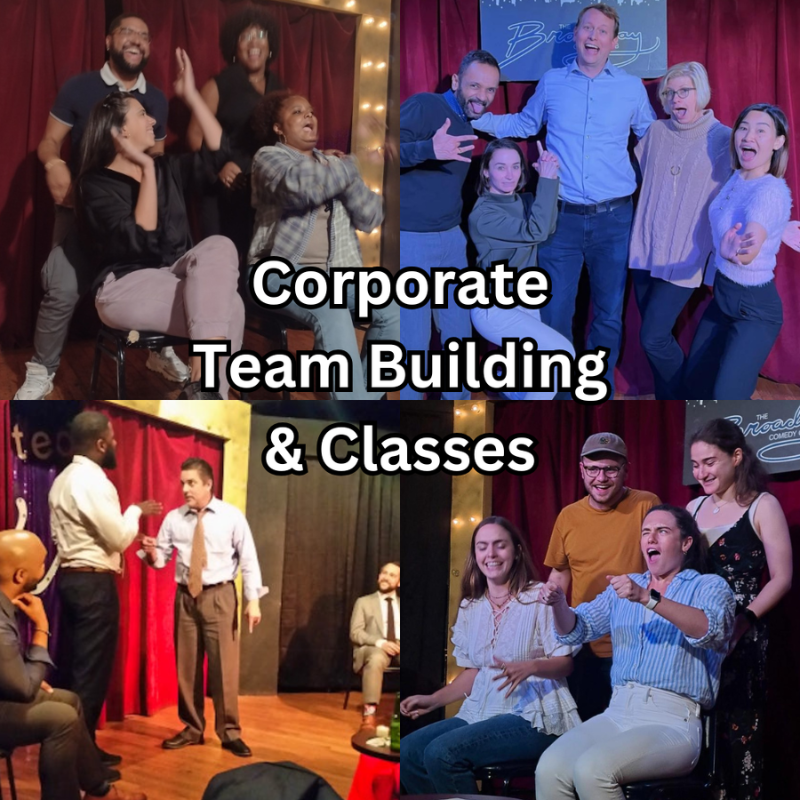
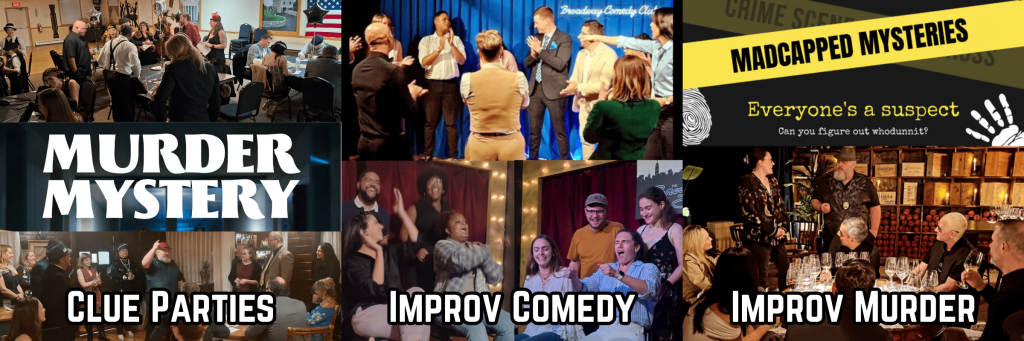
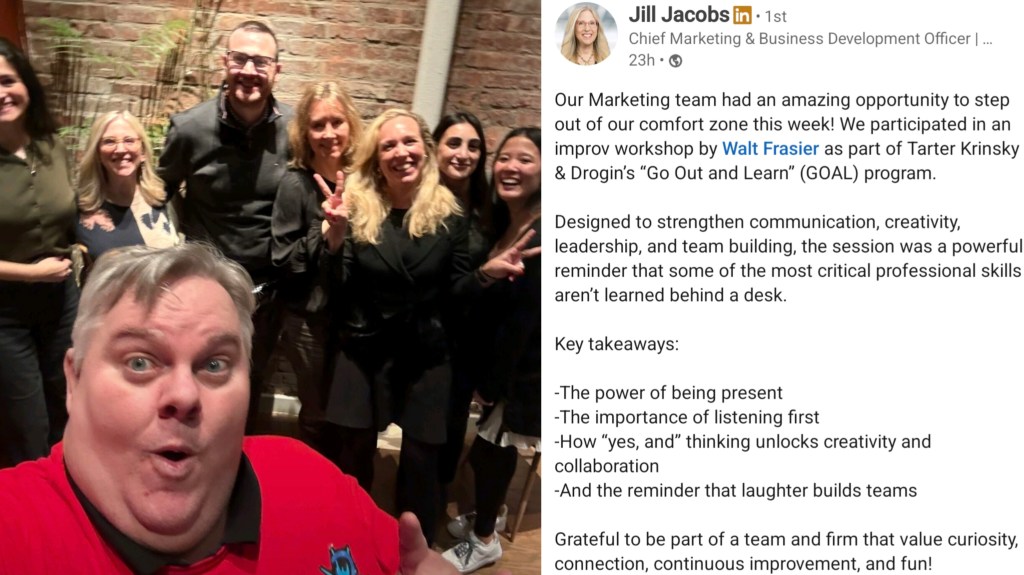
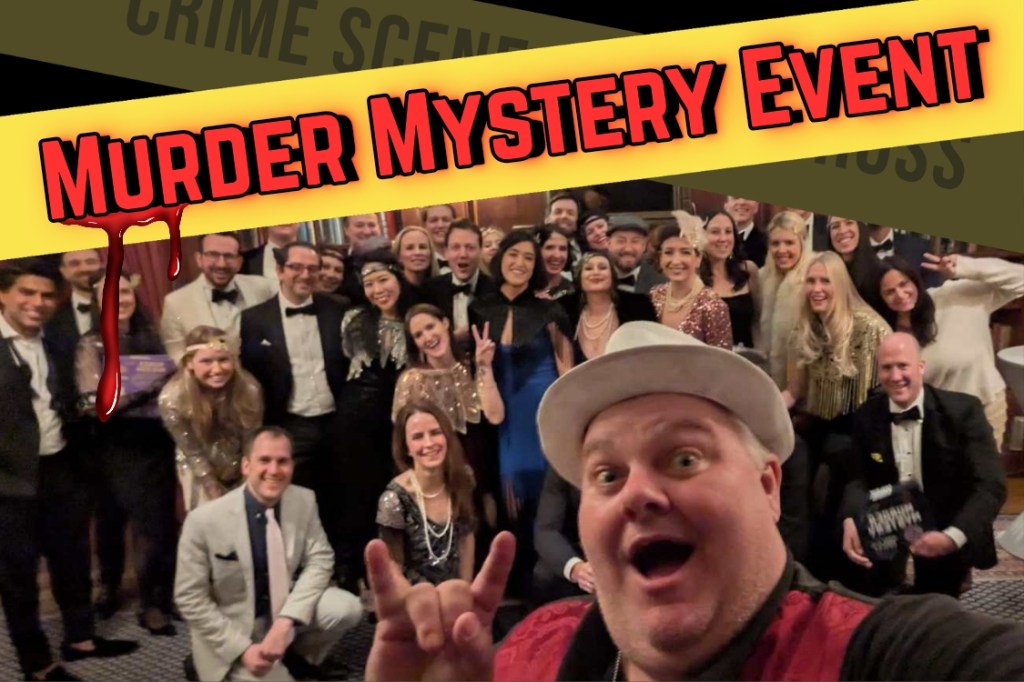
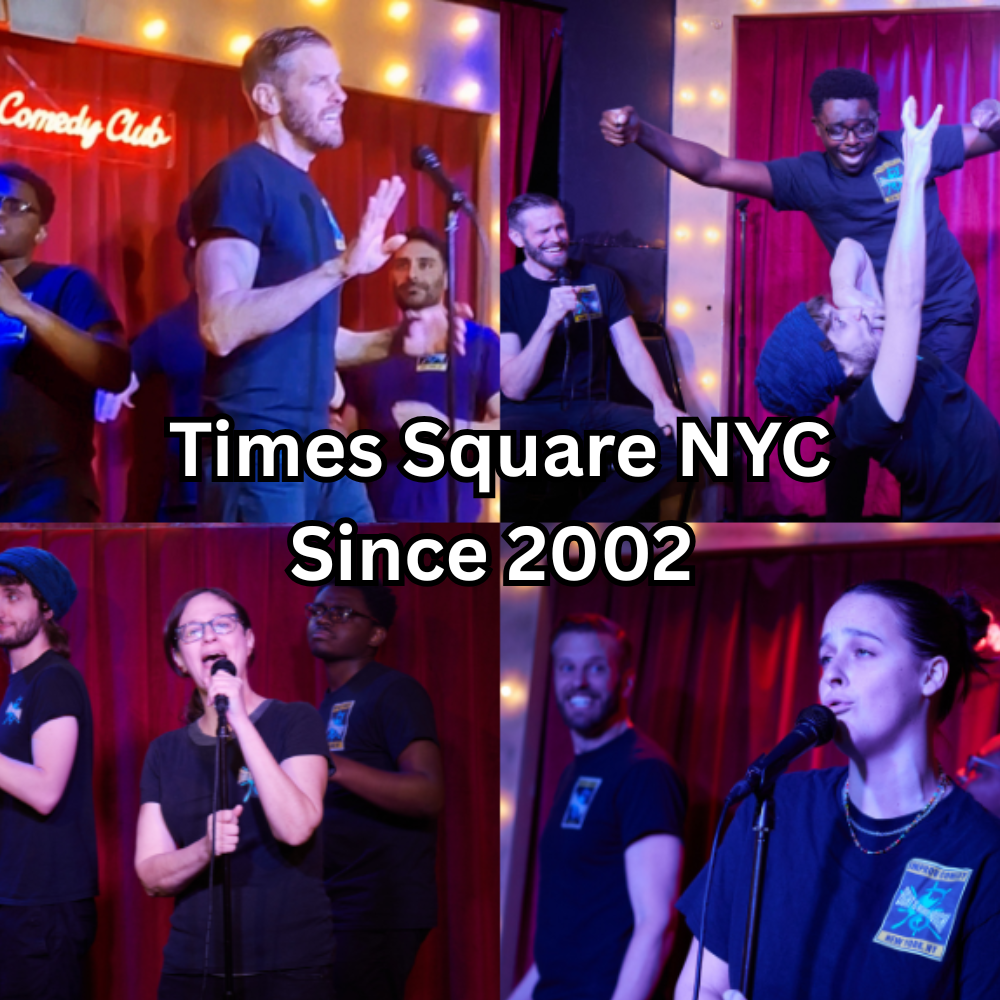
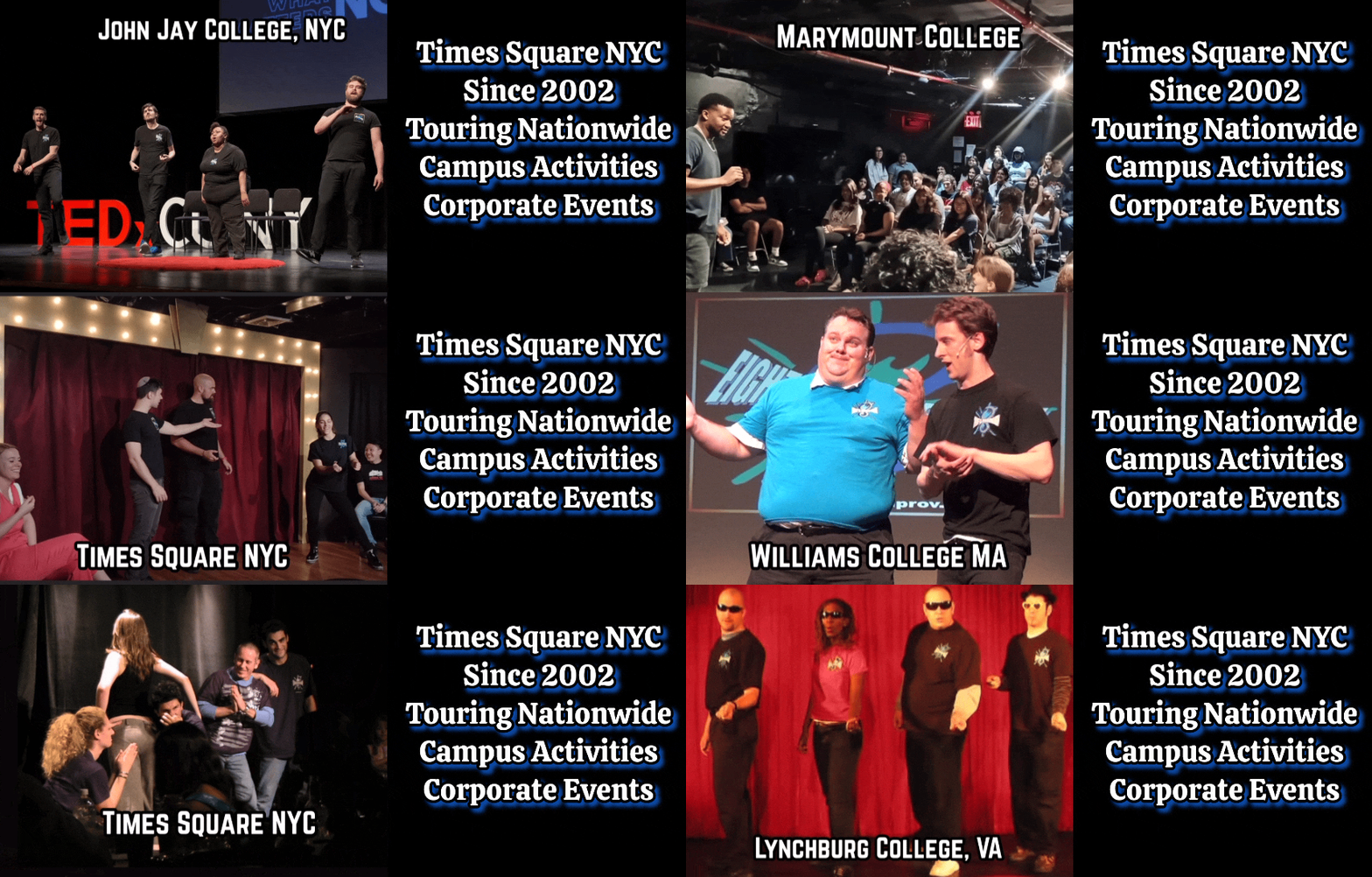
3pm Saturdays Live from Times Square NYC

Author: Walt Frasier

  • The Silicon Valley Take over of the Arts!

    The Silicon Valley Take over of the Arts!

    Every platform starts the same way. Some innovative programmer creates a powerful new tool. Then one of three things happen.

    1. One of the soon to be trillionaires pays millions or billions. They embed it into their platform.
    2. One of the soon to be trillionaires pays millions or billions just to kill it.
    3. The creator becomes one of the wannabe trillionaires.

    THE RESULT? The people the platform was designed to help are screwed.

    The Silicon Valley Get Rich Quick Scheme

    Every watch Shark Tank? I have. Almost every episode.

    Every year, dozens and dozens of tiny entrepreneurs scratch and claw for a little help. They just want to be seen. They just want to feed their family and pay the rent.

    Every year a few tech guys pop up with their apps. They promise a new mousetrap to solve a problem no one knew they had. They millions of capital raised. They have burn rates. They have massive debt. All they need is a few more million from a generous VC to keep the lights on.

    They are getting paid. They are on salary. The billionaire sneezed a few million their way. If that app fails. They will try another. It’s a casino game any Las Vegas whale craves.

    Sometimes someone has something that truly benefits the world. Love those moments. Mr. Wonderful chastised someone for not knowing their numbers. Then complains about $100k, saying I NEED TO OWN THE WHOLE COMPANY FOR THAT. Then gives some random app $1 millions for 2% advisory shares.

    QUIT YOUR DAY JOB?

    I wrote my book QUIT YOUR DAY JOB to help actors create work for themselves. I wanted to show how I have been day job free since 2005.

    At the same time I want to help artists avoid the pitfalls. There are more folks making money on our dreams than their are jobs working actors.

    We need headshots, but unless going g after Hollywood/Broadway starring rolls you don’t need $1000 headshots. If answering ads for $200 gigs on actors access, use your phone. Not a selfie. Pose. Natural lighting is fine. But your phone is more powerful than the camera a guy used for my first headshot in 199 (something).

    Day job free since 2005. I haven’t had a so called professional headshot in 20 years. I booked TV costar roles off my homemade shots.

    Take classes. Train. But most of you don’t need to spend money on “coaching”. You need to be on a stage practicing your craft with other artists and great directors. You don’t need to pay to perform. You certainly most likely dont need to spend $2000+ for the honor of showcasing for free at a social called “comedy school”.

    You need an agent/manager. But legit agents and managers never charge upfront. Professional casting directors never charge you to audition. I am even against most “networking” events. They are money makers for put of work actors preying on another’s dream.

    I want to help change all this!

    This is why I tell folks DON’T BUY MY BOOK. Emsil me and I’ll send you the PDF for free.

    For five years I have been complaining about losing GOLDSTAR as a tool to fill seats and generate some income. It was a major blow to my marketing plans.

    In thay five years, social media and SEO have compounded the problem. I told a few people the other day, NEVER MIND. DON’T QUIT YOUR DAY JOB!!!

    I will be fine. What I do still brings in corporate clients and schools, the backbone of my income. My expertise in using improv to teach invaluable life skills awards me a loyalty I often question.

    If I ever have imposter syndrome, it’s WHAT DID I DO TO DESERVE THIS? THmhen I slap myself and remind myself of the life time of hustle to get a ticket sold or book a client and then the quality work I and my teams deliver EVERY DAY.

    I hate the word DESERVE. I DESERVE… I don’t deserve anything. But I have EARNED everything I have!

    THE FUTURE IS NOW

    For five years I dreamed of assembling a team. In 30 years I have collected a roledex of artists, theater/club/venje owners, entertainment lawyers, producers, and chosen / found family (our fans, students, and clients).

    I had this idea of creating a new GOLDSTAR. A platform where an artist and a fan can connect. A single platform that is a better YELP, LinkTree, MailChimp, and TodayTix for indy artists and smaller venues. A community builder that truly helps artists and venues an artists earn a living.

    GOLDSTAR had a community of LIVE experience providers. As a producer, I gave up a cut of my ticket, offering a discount, but Goldstar filled seats with zero marketing dollars from me. And I intern used GOLDSTAR to experience new shows, classes, and even a tourist traps. Fun local activities I wrote off.

    I have been dreaming on of a way to bring this GOLDSTAR expereince back. I now have the team and the means. Just you wait!

    If you are an artist, a venue, a show, an experience provider, etc reach out. I am looking for beta testers for a new type of service app. Or better, an old type of service app. One that is not infected by the goals of Silicon Valley and investors. This will be something for YOU to build YOUR community. A discoverability platform without AI, algorithms and greedy CEOs.

  • We Don’t Need Another Ticketing Platform. We Need a New Goldstar.

    We Don’t Need Another Ticketing Platform. We Need a New Goldstar.

    By Walt Frasier

    I’ve been performing live for over 30 years. Music. Theater. TV. Commercials. Comedy. Improv. Murder mysteries. Kids shows. Times Square to touring nationwide. Thanks to the hustle balanced with training I am day job free since 2005.

    I’ve sold tickets every way imaginable — on street corners, through the mail, on MySpace, Facebook, YouTube, and a dozen ticketing platforms that promised to change everything. I was a beta tester on Google Plus. What is that? Exactly.

    Almost every platform started out changing things for the better. A few like YELP started as gatekeepers from day one. But most eventually fall to the pay to play model. The democratizing discoverability platform, one by one becomes a money making engine for the greedy at the expense of the artists and fans.

    For a while, there was Goldstar

    If you don’t know Goldstar, here’s what made it special: it was a discoverability platform. Not just a place to buy tickets. A place to find things you didn’t know you were looking for. A place where an unknown show could sit next to a Broadway production and win — not because of a marketing budget, but because the audience said so.

    I know this firsthand. My show, Improv 4 Kids, became the top-rated comedy show in the world on Goldstar.

    Not a Broadway show. Not a Netflix special. A scrappy improv show for familirs, built from nothing, running in New Jersey and New York City.

    We beat massive competitors with million-dollar marketing budgets. We did it because Goldstar was fair. You couldn’t buy your way to the top. (Not at first). You couldn’t spam reviews. The only people allowed to rate a show were verified ticket holders. Real audiences. Real voices. Real democracy.

    It was Yelp for live entertainment — but without the corruption. From day one YELP felt like the mafia. If you paid them $300 a month, the good reviews were featured. No pay, the bad reviews filtered up and your paying competitors featured above. And often the BAD reviews from from the competition. ANYONE could post just about ANYTHING.

    In 2006, I was rehearsing our show at the World Famous New York Improv, the original comedy club. Thanks to hustle in Times Square, we were selling our 2 shows every Sunday and Monday. I met a guy named Marty Fisher. RIP. He was an interesting character. He was a deal maker. He brought the IMPROV name to the club owner on 53rd street that is now the Broadway Comedy Club.

    He told me about Goldstar. For 15 years, Goldstar helped me fill seats and create a base income for public shows.

    There are ticketing platforms. Producers spend big bucks and/or tons of time creating content to get traffic to websites to sell a ticket.

    There are papering sites, professional seat fillers thay get paid but no money goes to the show.

    There was GROUPON where most businesses lose money to aquire a new customer. If you can convert that customer long term, great. Most so many use Groupon to game the system. They will never come back and pay full price.

    But GOLDSTAR was different. They sold a ticket and the artist got paid. They got paid. Maybe just $5-10 but the cost of that acquisition was ZERO. And GOLDSTAR patrons were savvy theater goers. The platform had a YELP like component. Ticket holders rated and reviewed shows. By the time it was murdered we had 1000s of reviews and a 4.3 out of 5 stars. The BEST comedy clubs in New York averaged 3.7ish.

    Combined with a hand full of full price ticket sales, a few group sales, we were able to pay our actors a base rate for every show. This was not a showcase of improv players at a “school” where you pay $2000+ in classes for the honor of performing improv for free for 10-30 for other improv players and friends (HI MOM!). This was professionally PAID performers entertaining strangers from around the world performing 4-8 75 minutes shows every week, often sold out.

    Then TodayTix Bought Goldstar

    In January 2022, TodayTix Group acquired Goldstar.

    The transition was framed as an expansion — more events, wider reach, a better experience for everyone. What actually happened was something very different.

    Our ticket sales were cut in half. Almost immediately.

    Not because our shows got worse. Not because audiences stopped caring.

    Immediately tep platforms became one. Those two grocery stores that lived next to each other for decades suddenly had zero competition.

    Suddenly a monopoly completely killed competition. Fans suffer too. Todaytix rates are much higher. Everything is more expensive.

    TodayTix made deals. Exclusivity arrangements. Preferential treatment for certain producers. Broadway shows — already armed with massive budgets — were now also armed with algorithmic advantages on a platform that used to be a level playing field.

    The little guys got buried. By design.

    I’ve watched this happen over and over again.

    The Pattern Is Always the Same

    Every platform starts the same way. It needs creators. It needs content. It needs the scrappy independent artists who will hustle to build an audience because they believe in what they’re doing.

    So in the beginning, the platform is fair. It has to be. That’s how it grows.

    Then comes scale. Then comes monetization. Then comes the inevitable moment when the platform realizes it can charge for visibility. That the algorithm can be rented. That the little guys who built the community can be quietly deprioritized in favor of whoever is willing to pay more.

    I’ve lived through this on Facebook. On YouTube. On Eventbrite. On every social platform that used to feel like a genuine community and now feels like a pay-to-play casino.

    I never paid for ads. I couldn’t compete with Broadway show budgets. The one time I tried a small ad in a major publication, the ROI was zero. I would have had more fun lighting the cash on fire.

    What worked — the only thing that ever consistently worked — was a fair platform that let real audiences discover real artists and decide for themselves what was worth their time and money.

    That’s not a radical idea. That’s just honesty.

    What We Actually Lost

    When Goldstar died, independent live arts lost something specific and important.

    We lost a platform with zero pay-to-play. No algorithm you could buy your way into. No ad sales team calling every week trying to sell you visibility you shouldn’t have to buy.

    We lost a platform where the audience was the authority. Not a marketing budget. Not a publicist. Not a deal between a platform and a producer. The people in the seats.

    We lost a community. Patrons who used Goldstar weren’t just buying tickets. They were discovering art. Building habits. Becoming regulars. Some of the strangers who found my shows through Goldstar are still coming back ten and twenty years later.

    We lost discoverability for the independent artist. The thing that lets a show built with passion and craft compete with a show built with capital.

    The Landscape Right Now

    I get five cold calls a week from ticketing platforms.

    There are more of them than ever. Every one of them promises to solve the discovery problem. Every one of them eventually becomes another cash register — useful for processing transactions, useless for building community.

    Google just gutted organic search. Social media — once the great democratizing force for independent creators — is now controlled by a handful of soon-to-be trillionaires who have made it clear that visibility costs money. The algorithm rewards whoever pays. Everyone else gets buried.

    The independent artist is being squeezed from every direction.

    And the audiences feel it too. There’s a growing backlash against algorithmic content, against AI-generated noise, against the sameness that comes when every platform optimizes for engagement over authenticity. People are hungry for something real. Something human. Something that happens in a room with other people and can never be replicated on a screen.

    Live arts is the answer to that hunger. But only if people can find it.

    What We Actually Need

    We don’t need another ticketing platform.

    We need a new Goldstar.

    A platform whose entire purpose is to connect independent artists with real audiences. Where discoverability is democratic. Where you cannot buy your way to the top. Where the only currency is the quality of your work and the honesty of your audience.

    A platform where a kids improv show in an off off broadway theater can become the top-rated comedy show in the world — because the people in those seats said so.

    A platform that serves artists and fans equally. That builds real community. That keeps zero algorithms between a performer and the audience that would love them if they could only find each other.

    A platform that remembers why live arts matters in the first place.

    Not content. Not product. Not inventory.

    Experience. Community. Human connection.

    The arts have survived every platform that tried to own them. They will survive this moment too.

    But they deserve better tools. They deserve a fair platform. They deserve a place that is genuinely, structurally, permanently on their side.

    That platform should exist.

    It needs to exist.

    And the artists and audiences who built communities on Goldstar — the ones who know what a fair platform actually feels like — deserve to have it back.

    Walt Frasier is a comedian, actor, improv artist, producer, and promoter based in New Jersey with over 30 years in live performance. He is the founder of 8 Improv Theater and the creator of Improv 4 Kids and Madcap Mysteries.

    If this resonates with you — as an artist, a venue, or a fan of live arts — share it. The conversation starts here. EMAIL ME! SOMETHING IS COMING!

    ← Back

    Thank you for your response. ✨

  • David Lee Morea Talks Film Making, Amazon Prime, Improv Comedy & More

    LISTEN ON SPOTIFY

    Meet David Lee Morea
    David Lee Morea is an accomplished New York-based filmmaker and photographer who holds both a BFA in Film and Television Production and a Master’s in Italian Studies from NYU. With a diverse professional portfolio, he has contributed to major productions like “The Voice” and “American Idol” while serving high-profile clients such as NBC, Michael Kors, and the United Nations. In addition to his commercial work, Morea is a dedicated documentarian, having produced titles like “Before Neorealism” and the Amazon Prime feature “We Are Mermaids.” He currently offers versatile photography and video services tailored to accommodate a wide range of budgets. https://www.instagram.com/davidlmorea/

    REMEMBER ME?
    For 30+ years Walt Frasier has been entertaining audiences live from Times Square NYC, Touring Nationwide, and occasionally popping onto their TVs and other devices. For casting Walter in SAG AFTRA Film, TV & Commercial projects, contact (Jaime) Baker Management. International credits include TV, Commercials, Theater, Music & Comedy. Currently the Artistic Director of the NEW YORK IMPROV THEATER and North East Managing Director for THEY IMPROV.
    https://www.instagram.com/waltfrasier/

    WATCH We Are Mermaids on Amazon Prime

    Florida’s oldest and last remaining roadside attraction struggles to compete against Orlando’s mega parks and keep its famed tradition of being the worlds first and only real City of Live Mermaids.

    https://amzn.to/492JEzS

    WATCH Su Corongiàiu

    “We traveled to Laconi, Sardinia and met Fausto, the head of Su Corongiaiu, traditional masked beasts of ancient Sardinia.” https://www.youtube.com/watch?v=k2klGnoeX7U

    Come see David & I live form Times Square.

  • Have Fun #4: Obi Nwako talks Improv & Acting

    Have Fun #4: Obi Nwako talks Improv & Acting

    Also available on SPOTIFY

    In this episode of Having Fun with Walt Frasier, Walt interviews Obi Nwako, an actor and improviser who has been working with the troupe since late 2024. They discuss Obi’s background at Williams College, his experiences teaching improv to young children, and the broader mission of using comedy to build confidence and overcome stage fright.

    Obi’s Background & Early Memories

    • Education: Obi attended Regis High School in New York and Williams College in Massachusetts, where he studied theater in a liberal arts setting. [01:36]
    • Early Acting: His first stage memory is from third grade. When a curtain opened early and left the cast frozen, Obi ad-libbed “I’m hungry,” which broke the tension and sparked his love for audience reaction. [10:47]
    • Musical Background: Before focusing on acting, Obi played the saxophone, which he felt allowed him to “hide” behind the instrument compared to the vulnerability of acting. [14:14]

    Teaching & Residencies

    • The Bronx Dream: Obi has been doing residencies at “Dream” in the Bronx, teaching improv almost daily to K-12 students. [02:01]
    • The Power of Patience: The two discuss the challenges of teaching 5- and 6-year-olds. Obi emphasizes that having fun is the most important rule; if the kids are enjoying themselves, the skills like listening and focus follow naturally. [16:32]
    • Leading by Example: A major theme of the conversation is how adults (teachers and coaches) must participate. If adults are afraid to be silly, kids won’t buy in. Obi shares a story of a “difficult” student who eventually thanked him for the class after being encouraged to try for just five minutes. [24:02]

    Improv “War Stories”

    • The “Earworm” Song: Obi recalls a scene where the troupe played Italian cooks. He came up with a “Mama Mia Pizzeria” song that stayed stuck in his head for a week. [02:42]
    • Difficult Gigs: They recount a summer gig at a historical museum/pirate site where they had to act as “strolling minstrels” to pull people into a show that wasn’t properly scheduled. [06:00]
    • The Blizzard: Walt mentions a narrow escape from a Philadelphia gig during a massive blizzard where subways were shut down, highlighting the logistical chaos of a traveling performer. [08:40]

    Acting Career & Future Plans

    • Upcoming Play: Obi is appearing in a play titled Late Blooming in late April and early May 2026. [37:43]
    • Professional Advice: Walt encourages Obi (and all young actors) to create their own work. He references his “Quit Your Day Job” philosophy, suggesting that in the age of algorithms, producing your own videos or shorts is the best way to get noticed by managers. [38:44]
    • Character Over Talent: Walt praises Obi for being a “solid human being,” noting that being someone people want to work with off-stage is often more important for a career than raw talent alone. [41:21]

    Obi Nwako is one of our more recent hires, in the grand scheme of things, but he is knocking it out of the park as a performer and teacher with us and other companies around town.

    Obi Nwako recently graduated from Williams College with a bachelor of arts in theater where he learned to be an actor and improviser. Born and raised in the Bronx, Obi is excited to make his NYC improv scene debut as a part of the group and even more excited to see where this part of his life will take him. https://www.instagram.com/monsterofrohan/

    See Obi in Late Blooming
    https://voyagetheatercompany.org/current-season/https-voyagetheatercompany.org-current-season-production-late-blooming
    Apr 27, Apr 28, May 2, 2026
    6:30pm, 8pm, 4pm

    For 30+ years Walt Frasier has been entertaining audiences live from Times Square NYC, Touring Nationwide, and occasionally popping onto their TVs and other devices. For casting Walter in SAG AFTRA Film, TV & Commercial projects, contact (Jaime) Baker Management. International credits include TV, Commercials, Theater, Music & Comedy. Currently the Artistic Director of the NEW YORK IMPROV THEATER and North East Managing Director for THEY IMPROV.

    Come see Obi & I live from Times Square. 3pm Saturdays TIMES SQUARE IMPROV COMEDY (Discount ticket links) https://ci.ovationtix.com/29075/production/1237881?promo=walter101 4/29 Wednesday 9pm BROOKLYN IMPROV COMEDY ($20) https://ci.ovationtix.com/29075/production/1231949?performanceId=11786516 5/23 Saturday 2pm LONG ISLAND IMPROV COMEDY https://ci.ovationtix.com/29075/production/1267225?performanceId=11797315 ADULT CLASSES https://ci.ovationtix.com/29075/production/914195 YOUTH CLASSES & COMEDY CAMP https://ci.ovationtix.com/29075/production/1049645

    Having Fun with Walt Frasier #4

    Host: Walt Frasier

    Guest: Obi Nwako

    Date: April 16, 2026


    WALT: Hello and welcome back to another episode of Having Fun with Walt Frasier. I’m Walt Frasier, and we’re here talking improv comedy, corporate team building, K-12 educational outreach, and what we do as actors and improv comedians and all that kind of fun stuff. I’m here with Obi… you know, I’m still not confident I’m going to say your last name right. Just introduce yourself!

    OBI: Hi everyone! My name is Obi Nwako, and I’m very happy to be here on the podcast for this episode.

    WALT: I would have been better off than I thought I was going to be! I would have said “No-wa-ko.” Okay, so I’m the worst with names, and as soon as I think I have it—because I butchered it in the past three minutes—I can’t remember which was the right way.

    OBI: No, I have that all the time, honestly. I always second-guess myself, so I get it.

    WALT: Yeah, and I feel so bad when I substitute for these classes. These people know me now—I’ve been there five or six times—but I work with like 200 different groups a year. I’m somewhat jealous of my own students that I work with every Saturday. And then there are times when they mess with me and tell me the wrong name to be funny, and I’m like, “I will never know your name now because of that.” But it’s on you, not me, so I’m okay with it! So, yeah, tell me—you’ve been with us now two years?

    OBI: Yeah, I started in 2024, about August or September time. So I’ve been going strong for the past two years.

    WALT: Awesome. And where did you go to school?

    OBI: For high school, I did Regis High School—born and raised in New York. So yeah, Regis on the Upper East Side. Then I went to Williams College in Massachusetts, Williamstown. I studied theater there. It wasn’t a conservatory or anything like that; it’s a very liberal arts college where you can study anything, but I feel like I learned a lot of useful things about theater and life in general there.

    WALT: Very, very cool. And then you’ve been doing these residencies for us up at Dream in the Bronx, pretty much almost every day, Monday through Thursday?

    OBI: Yeah, I started in the summer of 2025 and then continued into the 2025-2026 school year.

    WALT: Awesome. So let me get this out of the way: What’s your best memory doing improv comedy with Eight Is Never Enough?

    OBI: I mean, it happened this past fall. It was you, me, Max, I think Ashley was there too, and maybe Dave. It was a good group. We were having this “Sing It” game, and I don’t know how we got onto this, but we were in this pizza shop and we were all kind of Italian cooks trying to figure out what we’re going to do. And then I just had this song stuck in my head: “Mama mia pizzeria, pizza pizza pizza pizza pizza!” Very stupid, very silly, but honestly, for the next week, I kept murmuring it to myself. People were going, “Obi, what are you saying? What is that?” It stuck in my head constantly. I think the musical games are really one of the most fun things we do because it puts all of our talents on display—it shows our improv, our thinking on the spot, and our singing.

    WALT: You know what’s funny about improv? I work with kids a lot and they’ll say, “Remember that time we did this in that one class?” and I’m like, “No.” Because I think I’ve done at least 10,000 shows and workshops. I’ve done at least 7,000 or 8,000 shows in 23 years. Back between 2008 and 2012, we were doing four days a week of three to four shows a day at schools, and then six to seven shows a week at night at the club. But those weird songs do get stuck—those earworms from an improv scene. It’s amazing what sticks.

    OBI: Yeah, when I was doing improv in college, post-shows I would be like, “Oh yeah, I don’t remember a single thing we talked about.” It’s impossible.

    WALT: It’s a moment in time, and that’s the upside. But then it’s gone. And a lot of times the videos don’t look good online because a three-minute musical doesn’t translate well to a phone clip unless you have a high production value like Hamilton. So, more reason to come in person!

    Now, I sent out a questionnaire asking for the “worst” time you ever had. You don’t even know the official worst gig we ever did—I can count those on one hand. But you were doing a gig last summer that was… a struggle?

    OBI: Yeah, honestly, the only reason I thought that was the “worst” was just trying to think on the spot how to pull people in. We were at a summer place outside, and it was a huge space. It was almost up to us to go around and say “We want to do a show now, come see us” as opposed to everyone being scheduled to see us at 2:00. We actually did good performances by the end, but that start—where people are just coming and going—is hard when you’re used to a set performance.

    WALT: Did you see the videos I created where we went into Times Square and I was randomly getting people on the streets to improvise?

    OBI: Yes, I saw those!

    WALT: I was thinking if we go back to that place, that’s what we need to do. Just be strolling minstrels. We once did seven years of going into Times Square every day to pull people into shows. It’s weird at a private event, like a fancy banquet hall, but at a historical museum or pirate-themed place, it could work.

    Anyway, I want to talk about my big mission. I’ve been saying my mission is spreading joy and laughter, but I realized my real mission is knocking stage fright off the top of the list of phobias. We’re not going to cure social anxiety, but I’ve seen people through improv realize they have self-worth and agency. As an actor, what is your first memory of being on stage?

    OBI: It’s actually really interesting because my first memory deals exactly with releasing that stage fright. I was in third grade. I couldn’t tell you the name of the show, but the scene was a family dinner. The curtains opened early before we were fully set up. We were just staring at the crowd for what felt like hours, though it was probably five seconds. Nobody said anything. I don’t know what called to me, but I just said, “I’m hungry.” That wasn’t my line, but I just felt like I needed to say something. The crowd laughed, and everyone on stage relaxed. People told me after, “Good job, Obi, good ad-lib.” I didn’t even know what an ad-lib was! But I loved that feeling of confidence. Even from a young age, I was looking for improv before I knew it existed.

    WALT: When was the first “legitimate” theater moment where you felt you owned the space?

    OBI: Probably a lead role in a fifth or sixth-grade show. I just felt fully confident. I had a moment where I had to come onto stage from the audience, and I was really milking it. I just knew what I was doing and felt good about it.

    WALT: It’s funny you mention third grade. I have a PDF I’ve been sending to schools about getting improv into every third-grade class. I wish I was a musician at that age because you can lose yourself in the music without making eye contact.

    OBI: It’s interesting you bring up the instrument, because I played saxophone when I was younger, and I was definitely hiding. I focused on the sound and the people I was playing with. I was okay with performing, but I could hide behind the instrument instead of showing myself off.

    WALT: I wonder if the rise in social anxiety has to do with bringing arts out of schools over the last 30 or 40 years. We’re doing more residencies than ever now because principals realize we need something for the kids. Sometimes the classes are chaos in our minds, but then a teacher tells us, “I’ve never seen him focus like that before.”

    So, talk about being a teacher now. What are the challenges of doing improv for five, six, and seven-year-olds?

    OBI: I’ve had to rewire my brain. My main thing is your number one rule: Having Fun. If they enjoy it, the skills naturally fall into place. The challenge is explaining games simply. I have to put myself in a first-grader’s brain: “If someone told me how to do this, what would I ask?”

    WALT: The patience required is huge. It’s so easy to become like every other adult and want to yell. But patience works better. What do you do when you can’t even start a game because the energy is too high?

    OBI: I’ve definitely had days where 30 minutes go by and I haven’t even finished the explanation. I try to pull the kids who are ready to go first, but it’s a hard balance.

    WALT: I’ve done corporate workshops where they only give me 45 minutes. It takes that long just to get the energy right—to ease the nervous people and calm the “know-it-alls.” Once you get them, you’ve got them. I had a class of boys at a basketball camp the other day—total “bro energy.” They just came from strength training and were crazy. I finally just had them sit in a circle. I told them, “I’m here to play games, but I’m really here to teach you to listen. We can play, or you can hear me lecture.” They chose the games, and as soon as it fell apart, I made them sit and listen.

    OBI: With a residency, they know me. I have one student in my third-grade class who says every time, “I don’t want to do improv today.” I tell him, “Give me five minutes. Try for five, then we’ll talk.” Every single time, he ends up loving it and says, “Thanks for improv today!”

    WALT: I’ve started bringing my ukulele to some classes. I’ll have them sing the alphabet in a blues style. I don’t care what I teach them as long as I reach them. I’ve been in schools where they had to choose between a math teacher and a security guard—and they chose security. That’s the reality. In 2009, I had a residency in Queens where one day a kid would be amazing, and the next day they’d come in with so much anger from home. Back then, I didn’t know how to handle it. Now, 17 years later, I look for it because I can be part of the solution.

    What’s the biggest challenge you face as a young teacher?

    OBI: Managing the one student who is having a bad day without making it a burden for the other 19 students. It’s a hard balance of caring for the individual while caring for the room. Sometimes the regular teacher just disappears, and I’m on my own with kids I only see once a week.

    WALT: I’ve been bolder lately about calling out adults. I was at a summer camp right after the pandemic—the first day they didn’t require masks. The counselors wouldn’t shut up. I finally said, “Hey counselors, maybe you should lead by example.” I’ve even done it in professional development with teachers. If the adults are talking in the back, the kids will too.

    OBI: When the adults buy in, the kids buy in so much more. If they see their coach being silly, they know they can be silly too.

    WALT: Have you done a school show where you ask for adult volunteers and none of them want to come up? To me, that’s hypocrisy. The kids see it. And adults are worse than kids now—post-pandemic, our focus is ruined by 20 years of phones.

    Anyway, wrapping up—what else are you working on?

    OBI: I’m an actor in the city. My next show, Late Blooming, is April 27th, 28th, and May 2nd. I want to be able to provide for myself as an actor, so I’m focusing on theater and trying to tap into commercials.

    WALT: Do you have a manager?

    OBI: Not yet. I want to develop a reel first. I don’t have good recordings of my plays, so I might just write something and record it in a studio.

    WALT: That’s a great idea. My “Quit Your Day Job” books are all about using the internet as an entrepreneur. Create your own work! If it’s artistic, put it in a festival; if it’s entertaining, put it online. Our friend Dave has documentaries on Amazon Prime. YouTube is the number one watched platform now. I’d rather watch a travelogue on YouTube than a mediocre scripted show.

    Obi, thank you for doing this. If there’s a manager or agent out there, give Obi a shot—he’s a phenomenal talent and a solid human being. What you do off-stage is just as important as what you do on-stage. You lead with a smile, and that’s a quality you can’t teach. Take that lesson, actors: Be someone people want to work with. I’m the boss, and when I have a 10-hour car ride to a gig, I choose who’s in the car with me! I don’t want to hear people complain about “nepo babies” for five hours.

    Check Obi out! We’ll put the links in… do you have a website?

    OBI: No, not yet.

    WALT: We’re going to talk when we close this! You haven’t heard my pitch! Thank you guys for coming out. Check us out in Times Square, Long Island, DC, Boston… everywhere. We’ll see you guys soon!

    OBI: See you guys!

    WALT: (Searching) There’s another button to hit… stop recording…

  • Magical Memories Unlocked deep dive interview with Walt Frasier

    Magical Memories Unlocked deep dive interview with Walt Frasier


    [00:00:28] Steve: Welcome everybody, welcome back to Magical Memories Unlocked, your guide to event success. This is another one of our entertainer deep dives. Today we have Walt with us. Walt is a world-traveling funny man of sorts, he is an improv expert, he does a whole lot of different exciting fun things… Walt, would you like to introduce yourself?

    [00:01:04] Walt: Hey, how’s everybody doing? My name is Walter Frasier. Steve said, I do improv comedy, I do murder mysteries, I work with corporate events, colleges, and K-12 outreach. We’re the home of Improv 4 Kids. I’m the artistic director of the New York Improv Theater—not a New York, but the New York Improv Theater—out of Times Square. We’ve been there since 2002 in one way or another, but pretty much non-stop. Traveling all over the place… TV and live theater now in Puerto Rico and Canada, a little bit of Europe here and there, but mostly the DC to Boston corridor.

    [00:01:39] Steve: Beautiful. Can you dive into what exactly improv theater is? As a whole genre, what does that mean?

    [00:01:48] Walt: Yeah, the easy way to put it, the best easiest definition we teach is: acting without a script. But improv is also what jazz musicians do, dancers do. Improv actors utilize improv even in scripted works. Basically, it’s just making it up on the spot. I sometimes joke with kids: that thing you do when you lie to parents when you’re caught? That’s improv. That thing you do at work when you’re kind of BS-ing your way through a moment? That’s improv. Con artist improv all day. What I try to do is teach the ways to use those things for good reasons. We use improv to teach corporate team building, leadership, sales, communication skills… all that kind of fun stuff. Makes you a better student because you’re listening better and not afraid to share. Big self-confidence builder, too.

    [00:02:42] Steve: I feel like in what you do there must be some really funny stories. Can you think of one that really sticks out to you as a milestone?

    [00:02:58] Walt: You know what’s funny, I think the reason I like improv—I always remember the mistakes that work out. In fact, I think I do improv because even back in my theater days doing shows like Music Man, and somebody forgetting a line and you end up having to sing their song because they’re not as focused as you were.

    [00:03:20] Walt: There was a time doing improv comedy for second and third graders at the old Laugh Factory—which is long and gone. 300-seat theater, we had it filled with third graders. We had this game called Human Mad Libs or Columns. We have two kids sitting on chairs on the corner of the stage. I wasn’t even in the scene, but we collected cash from people that day… a wad of singles and fives in my pocket. I look like some kind of con guy with a big wad of cash in my pants pocket. I decide to make a cameo and I come running in as a dog, and the cash in my pocket hooks the chair and yanks it from right under her and she goes—bam! But she’s seven or eight years old, so she was fine, she bounced right back up.

    [00:04:21] Walt: Most of my favorite memories are those. Every moment is just on the edge of a cliff. At any moment you could fall flat on your face and fail, and then 99% of the time you don’t. And even when you do, we have fun.

    [00:04:44] Walt: I also remember the weird stories behind the scenes. One time I was working with a guy who wasn’t as trained in theater, he decided he was going to do a Chris Farley face-plant on a stage. We’re up at Stonehill College. It was a completely cement stage. I use it as a teaching moment: always walk the stage before you do anything. Don’t go to the floor if you don’t know how to do a pratt fall. He did a face-plant, cracked a rib, and popped a lung. I’m like, don’t do that. Chris Farley had prop masters and tables that break and pads. Don’t do that if you don’t know how to get down.

    [00:06:11] Steve: You mentioned a lot of different things—improv, murder mysteries. How did you bridge that gap? How did that all tie together?

    [00:06:21] Walt: I’ve been getting calls to do murder mysteries for 20-some years. I stopped saying “no, let’s do improv” and eventually said okay. A lot of our murder mysteries are very improv-based. There may or may not be a character-ish script, but even then, it’s 90% improvised. When I learned how to do those, I liked them because… I find the best ones have the worst theatrical scripts of the ones getting money. You see those in the showcases in New York City. Improv is better than 90% of those scripts. We can improvise a better script and it’s personalized to that crowd.

    [00:07:42] Walt: After a couple of years, I started to write my own scripts for Clue parties and other things. Now I’ve got about a dozen scripts for Speak Easy, 1980s, 1950s, 1990s Mall, Murder in the Mansion, Murder on the Boat. I have a new Great Gatsby show. Now we’re doing two, three, four a week.

    [00:08:49] Steve: I really want to dive a little more into what exactly a murder mystery is—how does that form function as a program?

    [00:09:05] Walt: Well, there’s two main kinds. There’s the “Full Show”—the dinner theater type show that has four or more actors. Those four people come in as characters—maybe mafia characters, billionaire snobs, whatever. Then we stage a death. Whoever is the boss of that group dies. For the way we do them, that actor comes back as a detective. We interact with people throughout cocktail hour into dinner, and then after the death happens, full on everybody’s a deputized detective. Every table is a team. At the very end, we reveal who did it and one of those tables gets some prizes.

    [00:10:16] Walt: Then you have what’s called the “Clue Party.” That’s when there’s just one of me and either some or all the people at the party are playing characters. We have the version where everybody gets a script, or if it’s 100 people, 20 people get a script. They have a character bio and a set of clues.

    [00:11:24] Walt: My number one seller now is “Mad Cat Mysteries.” It’s basically a clue party without a script. It’s completely improvised for 40 minutes. It’s almost like a Vegas hypnotist or mentalist show. I’m running around like a madman talking to people. For three minutes it’s like Human Mad Libs: “Hey, we just found Frank next to the right dumpster…” Filling in the blanks, we create the base reality of the crime. Then I say, “Steve, stand up, you’re the coroner. What did you find when you inspected the body?” And then that person sets the tone for the whole show.

    [00:12:18] Walt: We did it once for a bunch of 30-something professionals. I went to a young lady: “What did you find when you inspected the body?” She said, “Well, it was naked and sticky.” I said, “Okay, that’s the kind of show we’re going to have.” I never go there, but if they go there, I have ways to stay PG or PG-13. One time with teens, the murder weapon was an orca that was literally catapulted from the country of Turkey with pinpoint precision to Long Island.

    [00:13:05] Walt: After about 40 minutes, about 15-20 people are characters. Every table is a detective team interrogating these people. In this show, it’s just pure creativity. We get little short stories for the final answer sheets. It takes triple the amount of time to end the show, but the endings are amazing.

    [00:14:56] Steve: You’ve spoken about different age groups. How does it change for different ages?

    [00:15:17] Walt: I was always a “click-hopper,” being able to hang in any crowd. Empathy is probably why I became an actor. Listening with your eyes is the number one skill in comedy. You look at Don Rickles—he had great jokes, but 90% of it was just listening to the crowd. It’s not rocket science, it just takes time to develop.

    [00:16:09] Walt: When working with five and six-year-olds—I play Santa Claus a lot as well, and I bring what I do for Santa into the improv workshops. I work in the Bronx a couple times a week. When you start talking to them with all the heart and just open up all the patience, it’s amazing how talented they are.

    [00:16:52] Walt: I don’t change too much about what I do. “Yes, and” becomes part of the story. We’re popular in middle schools and high schools because a lot of clean comedy is cheesy. New York comics often don’t work clean in the club, so when they book a church job, it’s not their best work. My energy is like MTV rock and roll—it’s not cheesy. It’s like the Blues Brothers doing 60s music. We don’t lean into the cheese. I’ll say something with no intention of being a double entendre, but there will be a teacher in the back going—[laughs]—”I know what he really meant by that.” People just go there on their own.

    [00:19:20] Steve: What is the difference between improv comedy and stand-up?

    [00:19:34] Walt: Stand-up comedy is one person telling jokes and stories. A lot of stand-up is improvised, but to develop a special like Chris Rock, that’s a year’s worth of club time. You don’t sit down and write a paragraph then recite it; you jot down ideas and talk about them. Improv is more like sketch comedy. Usually two or more people. More theatrical than jokey. Usually the best sketch and improv is not joke-based. If you do jokes, they become like dad jokes really quick. It’s character-driven and situational. It’s like a great sitcom—sitcoms try to do a 30-minute show out of what should have been a two-minute premise. We keep it to two minutes.

    [00:22:14] Walt: There are two kinds of improv: short form and long form. Most improvisers do long form, but it’s not a commercially popular form of theater. Short form is like Whose Line Is It Anyway? That quick beat-beat-funny. The problem with improv in a lot of people’s minds is they’ve been dragged to a show by their friends. In New York, there are a hundred shows tonight performed for people’s friends, and maybe one or two shows a week where actors like me are getting paid.

    [00:23:12] Walt: Our company is the only one in New York that doesn’t do any unpaid shows. Any show I produce, it’s paid actors getting paid. The stakes are higher. We market as an off-Broadway quality show. A great improv troop doesn’t just do bad pun games; they do great scene work. We hire people with college musical theater training who are great singers. People who just do improv sometimes haven’t learned how to perform on a stage live.

    [00:25:28] Walt: My show is an old vaudeville show disguised as a modern improv. I’ve got training in tap dancing, opera, piano, trumpet, jazz. I find a way to bring elements of that into every show. You come to an improv show and hear a guy sing a little like Pavarotti for 30 seconds—”Oh, I wasn’t expecting that.” Then you see this big fat guy doing tap dancing. It’s over-delivering.

    [00:26:18] Steve: How did you even get started in this?

    [00:26:33] Walt: I grew up in Maryland. I switched from music to theater. My director was a prodigy of Michael Khan. DC theater is this great enclave of theater and musicians. Her husband was the director of “The Living Stage,” the outreach program from Arena Stage. I learned improv there.

    [00:27:47] Walt: Skip ahead 10 years later. My wife and I moved to New York in ’97. We both started to work, doing Broadway tours. Suddenly we never see each other. I’m on tour doing Scarlet Pimpernel, she’s in Ohio. You’re getting paid to do theater, but not enough to fly home to see everybody. We didn’t feel married. So we started this showcase in 2002 just as a way to get work. By 2005, we were doing eight shows sold out a week in Times Square at the New York Improv.

    [00:29:45] Walt: Back then, people from out of town bought Phantom or Chicago. If they were sold out, they’d see our show for five bucks plus two drinks. I’d be on the street saying, “Hey, come on, I like this guy, let’s go see his show.” We’d sell 100 tickets. Since around 2011, it’s mostly gigs—colleges, corporate.

    [00:30:26] Walt: I learned how to be a corporate team building specialist. I learned how to translate improv into psychological safety. Google’s “Project Aristotle” was a four-year study. It turned out it didn’t matter who was on the team; if the team had psychological safety where the weakest link had agency, that team succeeded. We apply that to schools, too.

    [00:31:36] Walt: I do the same workshop for adults and they are no better. After 20 years of cell phones and Zoom, adults are afraid of everyone’s opinion. Their focus is bad. I go in and say: “Just listen with your eyes. Don’t think.” I’m in a room of PhD doctors and they’re worried about being smart enough. I say, “Stop. If you’re worried about being smart enough, that guy at the table is dying because you’re worried about the wrong things.” It’s about getting past ego and insecurity.

    [00:33:53] Walt: I used to say I could do 10 shows a day. The training kicks in. Alexander technique, voice, breathing. It’s only recently I could do six hours of teaching and feel okay. At the beginning as a teacher, I had impostor syndrome. Eventually, I moved past that to where I could just show up and deliver.

    [00:35:41] Walt: I learned to control a room with my voice and physicality without screaming. There’s an element when you have a certain amount of presence. When it’s crazy, I slow it down. I become the anchor. I go in with a very measured presence. I bring in martial arts, the core, the qi, the breathing.

    [00:37:50] Walt: I have a very calming voice when I need to. I pull back the curtain: “I’m not here to teach you comedy; I’m here to teach you how to listen and focus. We can play games that are really fun, or you can hear me lecture for another 30 minutes.”

    [00:38:41] Walt: I don’t think 5-year-olds and 55-year-olds are as different as people think. Middle school is where we learn how to judge and hate and fear. A lot of people think they grow up, but most don’t. Most people are not as different from when they are 13. The walls of defense are thick. When you pull those back, you reveal how scared a lot of people really are.

    [00:39:50] Walt: In a world of social media, we stop talking to family, we stop talking to people. We’re getting more tribal. Improv brings people together. I was doing a murder mystery Saturday and somebody mentioned Epstein. I said, “Let’s not go there. You’ll thank me later.” Let’s focus on great story, never bad comedy. Don’t be blue if you aren’t a raunchy person on the street. If you never curse, and then you say, “I gotta be blue now because I’m doing comedy,” it’s so forced. It’s weird.

    [00:41:29] Steve: I was curious about how you handle inappropriate things in an environment that shouldn’t have that. Like high schoolers trying to be funny.

    [00:42:01] Walt: It’s easier than you think. My number one rule: Have fun, but never at anybody else’s expense. Have fun without hurting anybody else. Teachers are usually there and kids know they will get in trouble if it gets to a certain level.

    [00:42:57] Walt: Two bad cases: One was a private school on the Upper West Side. One kid said the “M-word” as in small people. The principal was four feet tall and she thought it was directed at her. She shut the show down: “Show’s over. I’m going to lecture you for 30 minutes about how horrible you are.”

    [00:44:10] Walt: The other one—middle school in Connecticut. Seventh-grade show. Right after the movie Precious came out. This overweight girl gets up and a boy starts going “Precious.” I lost it. One of my colleagues saw me turning beat-red. She took over the show. I went off stage for two minutes. I was just so pissed that somebody ruins all the amazing stuff.

    [00:48:25] Walt: My mission is to spread joy and laughter one show and workshop at a time. It’s not BS, it’s so true. Teaching self-confidence, agency… invaluable life skills. In a world where normal socializing is weird, my goal is to teach you: “Hey, you have more choices than you think you do.”

    [00:49:49] Walt: To be a great artist: learn speech, breathing, movement, dance, set design, art. Be more aware of yourself. To get great presence, take Alexander technique or tai chi. I’m pushing 400 pounds, I’m very big, but I have presence on stage. I know how to use it. Learn how to dance. People that know how to dance have more fun.

    [00:52:43] Walt: I was at a party playing Santa in Dumbo. All these Wall Street guys in tuxes were standing in a corner. I said: “This is why none of you have girlfriends. Get out there. Or go play chess and find the girl that likes chess. Stop drinking with each other in the corner.” Socializing is a skill. Put yourself out there.

    [00:54:14] Walt: If you’re working on stage, you’re not doing it right. If you’re thinking technique, you’re not acting yet. Get out of your own way. When you get off stage, that’s when the real work starts. What worked? What didn’t work?

    [00:55:22] Walt: I’ve done the game “World’s Worst” maybe 10,000 times. On the subway ride home, I’d think of 10 things I could have said. Treat it like a job, and then it never feels like a job.

    [00:56:07] Steve: You mentioned being prepared. How much is actually fully scripted?

    [00:57:10] Walt: Our show is 100% organic. Doing a short-form show, you’ll have a list of games you’re going to play—Irish Jig, Sound Effects, Columns, Sing It. I often call an audible. We get an idea for what the scene is going to be about from the audience. In improv, everything is broken down into who, what, where. Who are you? Where are you? What’s going on? Never ask a question; constantly make simple choices.

    [01:02:27] Walt: How do you help people with the fear of public speaking? We start with the “Three Number Ones”: Have fun, stand and listen with your eyes. I think it’s combined with one-on-one fear. Talking one-on-one in a job interview was impossible for me. At some point in middle school, you messed up a word reading in class and people went “ah,” and you never did it again.

    [01:04:16] Walt: We don’t put people on stage doing stand-up in the first hour. We’re in circles doing energy games, gibberish sounds. 99% of people I work with, by the end of the first 10 minutes, are able to do anything they need to do. It’s safety aversion therapy. There is no way to make a mistake. There’s no right or wrong. There might be a better way or a less great way, but not a wrong way.

    [01:09:44] Walt: Improv is the best bang for the buck in town. We charge less for it because there’s less involved. But it can be a tough sell because stage fright is the fear of being embarrassed.

    [01:10:47] Walt: Once you get to 200 people, you need wireless mics. We can scream up to 100 people, but after a point, you need to be heard. If the goal is team building, the workshop is better than the show. The Clue Party is good because it forces people to talk.

    [01:13:39] Walt: What isn’t a good environment? 15 years ago, a big franchisee company hired us. They didn’t tell anybody there was entertainment. It was a dry party, and no smoking. We lost all the drinkers and smokers. It was a 400-seat banquet room with 120 people spread out. I said, “Yell out your first name!” Not one responded. I learned then: a quiet audience doesn’t mean they don’t like you; it means they’re listening.

    [01:18:57] Walt: Communication solves everything. Don’t surprise your audience with entertainment. If they think it’s time to go and then you say “And now a show,” they ready to walk out.

    [01:23:09] Walt: I have a student right now who’s a Disney star. I’m more proud of my students than my IMDb page. At this stage, I’m the mentor. Watching my nephew putting out music—I found his video by mistake and started crying. That’s my legacy.

    [01:24:51] Walt: I’ve done TV in Norway with Stevie Van Zandt, Lilyhammer. I did theater around the country, opera in Italy. I played Santa on Arthur Avenue for 15 years. I’m happy just doing that. I stop to smell the roses at 53. I have the wisdom to do that. Every once in a while, I get a six-page self-tape request and I’m like, “Oh, that’s a lot of work.” co-star roles pay, but my corporate work pays just as well.

    [01:28:33] Walt: Big advice: stop complaining about Nepo babies. Stop complaining about people on TikTok. They are selling tickets. Welcome to the biz. The tools are in your hands—stop making excuses and just go create.

    [01:31:08] Walt: My advice to clients: Have fun. People that are afraid make safe decisions that are mediocre. Keep your mind open.

    [01:32:36] Walt: Interesting fact: I started as a trumpet player, then piano. I sing opera. In my heart of hearts, I’m more a musician than theater. When I’m driving around, I’m blasting Dixieland—none of that Michael Bublé crap. Duke Ellington, Jelly Roll Morton. I love hip-hop—Slick Rick. Do me a favor: never clap on the one. We’ll be friends.